

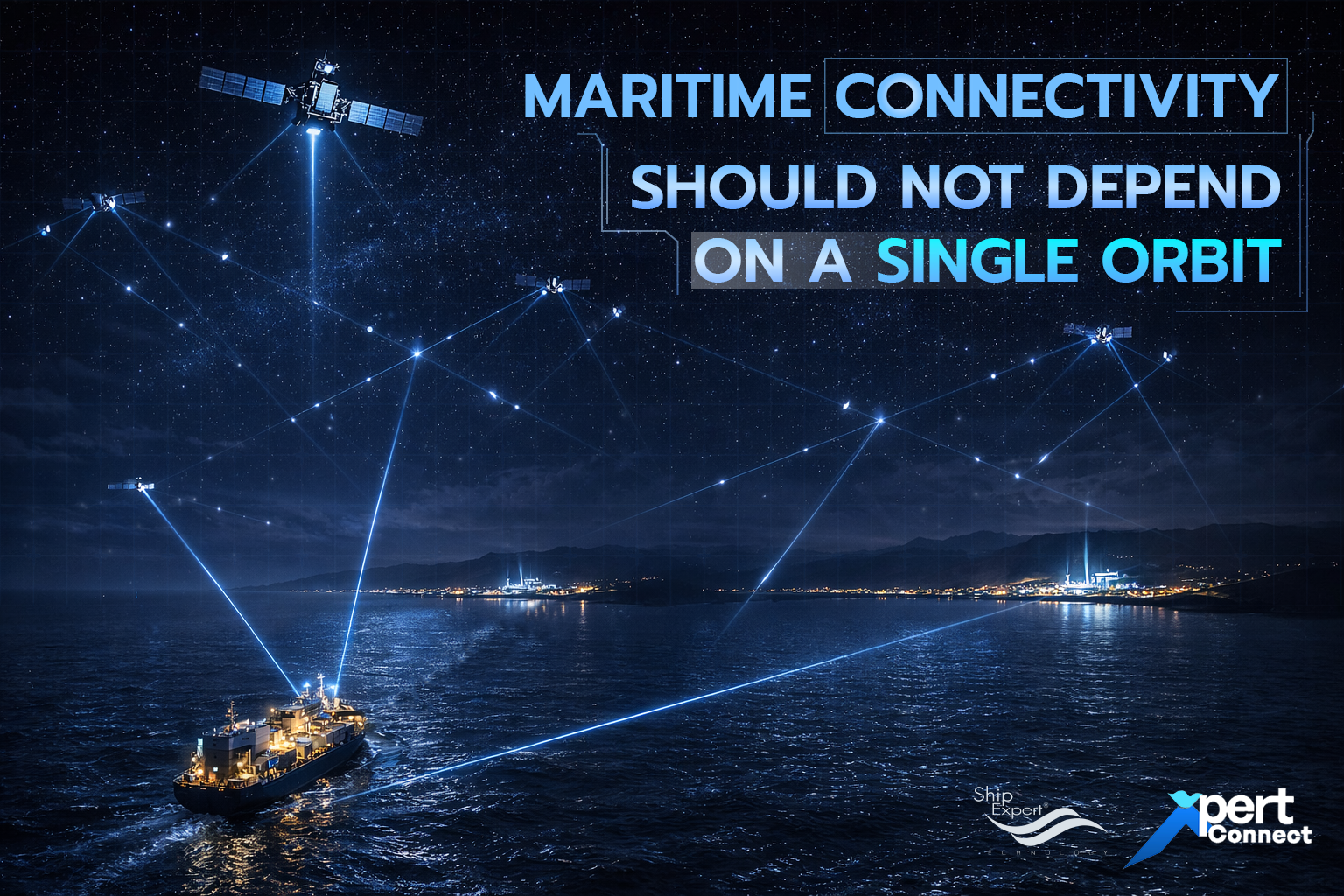
Maritime Connectivity Should Not Depend on a Single Orbit
Maritime Connectivity Should Not Depend on a Single Orbit
For decades, maritime connectivity relied on a single-orbit satellite model.
It worked — until maritime operations became digital.
Today’s fleets are no longer just navigating oceans.
They are transmitting operational data, synchronizing ERP systems, streaming AI-powered surveillance, enabling remote diagnostics, and complying with cybersecurity governance frameworks.
Connectivity is no longer a utility.
It is infrastructure.
And infrastructure cannot rely on a single point of architectural dependency.
The Strategic Risk of Single-Orbit Dependency
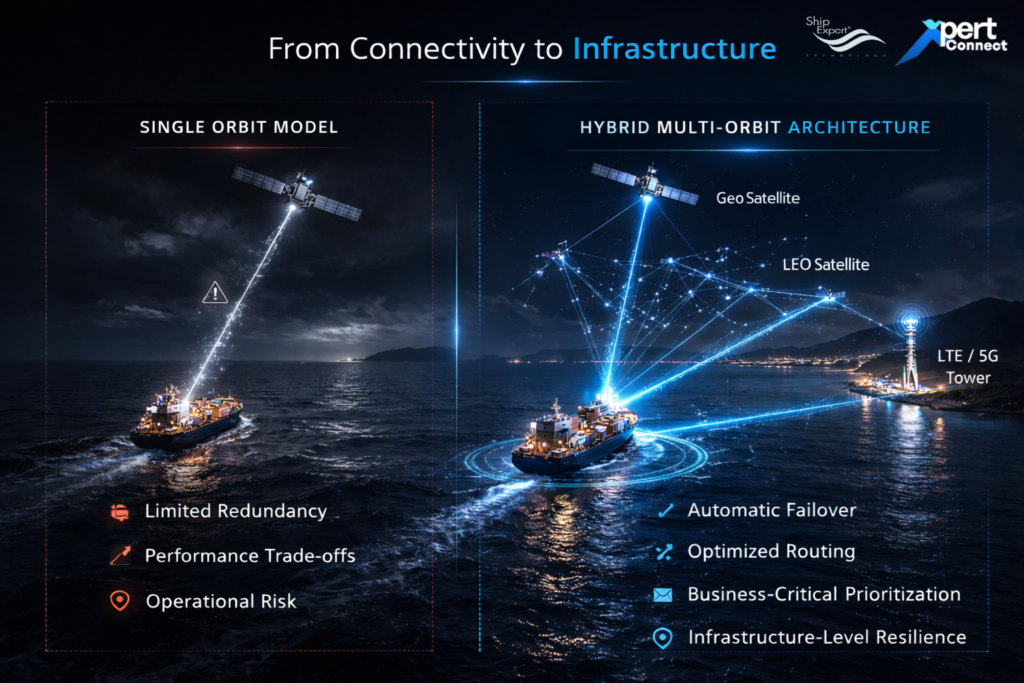
A GEO-only model provides global stability — but latency-sensitive applications suffer.
A LEO-only model offers speed — but beam transitions and network handovers introduce complexity.
Both models, when used independently, create operational exposure.
Single-orbit architecture introduces:
- Limited redundancy
- Performance trade-offs
- Higher risk of communication interruption
- Operational vulnerability in mission-critical environments
In modern maritime operations, downtime is not merely inconvenient — it is operationally disruptive.
Engineering Resilience Through Multi-Orbit Architecture
Hybrid Multi-Orbit Maritime Connectivity Architecture integrates:
- GEO for global stability
- LEO for low-latency responsiveness
- LTE/5G for nearshore continuity
- SD-WAN orchestration for intelligent traffic governance
This is not about adding bandwidth.
It is about designing resilience at the architectural level.
Two satellite infrastructures, unified under a single operational framework, create:
- Automatic failover capability
- Optimized traffic routing
- Reduced communication risk exposure
- Business-critical application prioritization
- Infrastructure-level continuity assurance
Connectivity as Strategic Maritime Infrastructure
As cyber governance standards evolve and digital compliance becomes mandatory, connectivity must be treated as part of the maritime operational backbone.
Hybrid Multi-Orbit architecture ensures:
- Data integrity in vessel-to-shore exchanges
- Stability for digital fleet governance platforms
- Secure remote system management
- Support for AI-enabled onboard systems
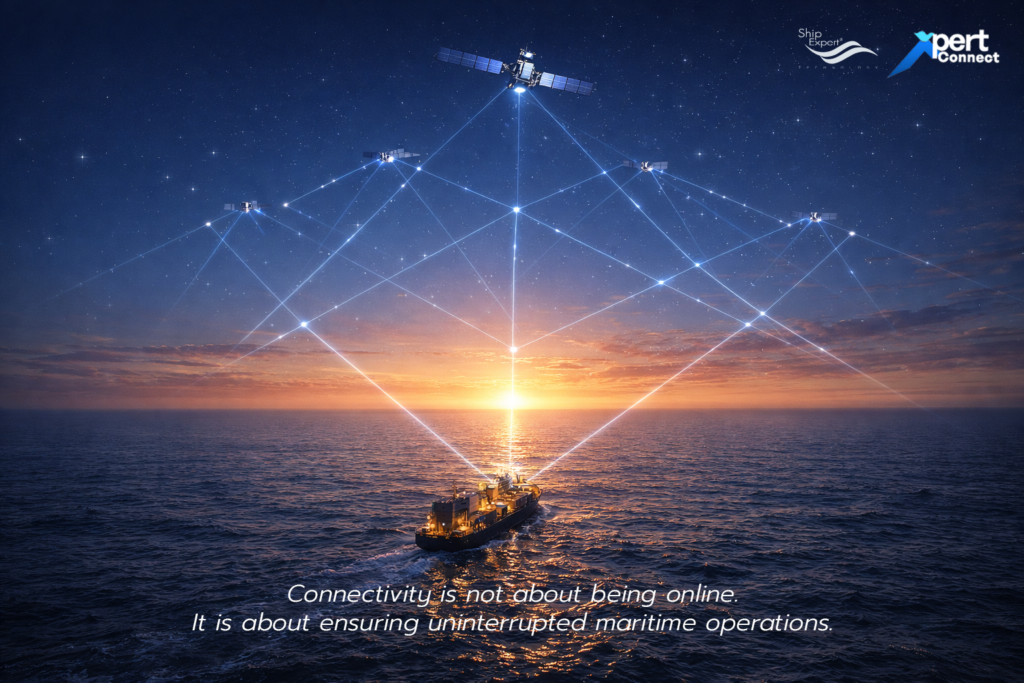
Connectivity is no longer about being online.
It is about ensuring that maritime operations remain uninterrupted, secure, and strategically resilient — regardless of orbit.
Two Orbits. One Unified Maritime Backbone.
Modern fleets require infrastructure designed for continuity, not convenience.
Maritime connectivity should never depend on a single orbit.


Related Posts
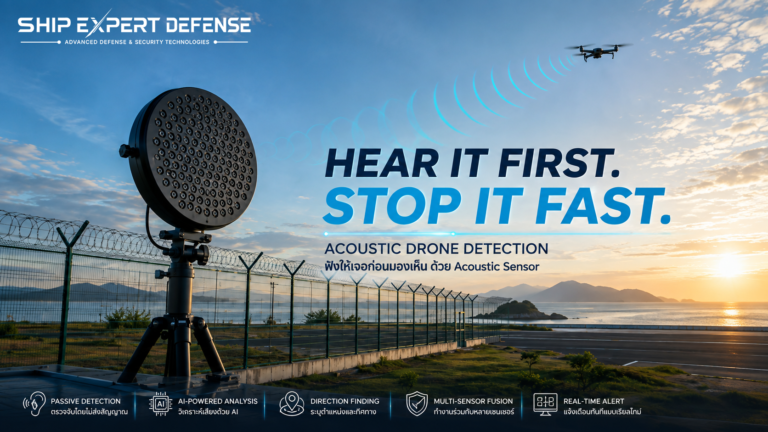
ฟังให้เจอก่อนมองเห็น บทบาทของ Acoustic Sensor ในระบบต่อต้านโดรน
เมื่อพูดถึงการตรวจจับโดรน หลายคนมักนึกถึงเรดาร์ที่ค้นหาเป้าหมายบนท้องฟ้า กล้องตรวจการณ์ที่ช่วยยืนยันภาพ หรือระบบตรวจจับคลื่นความถี่วิทยุที่วิเคราะห์การสื่อสารระหว่างโดรนกับผู้ควบคุม แต่ยังมีอีกหนึ่งเทคโนโลยีที่ช่วยเพิ่มความสามารถในการรับรู้ภัยคุกคาม นั่นคือ Acoustic Sensor หรือเซนเซอร์ตรวจจับโดรนด้วยเสียง เมื่อเสียงใบพัดกลายเป็นสัญญาณเตือนภัย ระหว่างบิน มอเตอร์และใบพัดของโดรนจะสร้างรูปแบบเสียงที่มีลักษณะเฉพาะ ระบบ Acoustic Sensor ใช้ไมโครโฟนหรือชุดไมโครโฟนแบบ Microphone Array รับสัญญาณดังกล่าว ก่อนนำข้อมูลไปวิเคราะห์เพื่อประเมินว่าเป็นเสียงของโดรนหรือเสียงจากสภาพแวดล้อม เทคโนโลยีประมวลผลสัญญาณและปัญญาประดิษฐ์สามารถช่วยจำแนกเสียงโดรนออกจากเสียงรบกวน เช่น ยานพาหนะ เครื่องจักร หรือนก ขณะที่การใช้ไมโครโฟนหลายตัวช่วยประเมินทิศทางของแหล่งกำเนิดเสียงได้ งานวิจัยยังแสดงให้เห็นว่าสามารถแปลงข้อมูลเสียงเป็น Spectrogram…
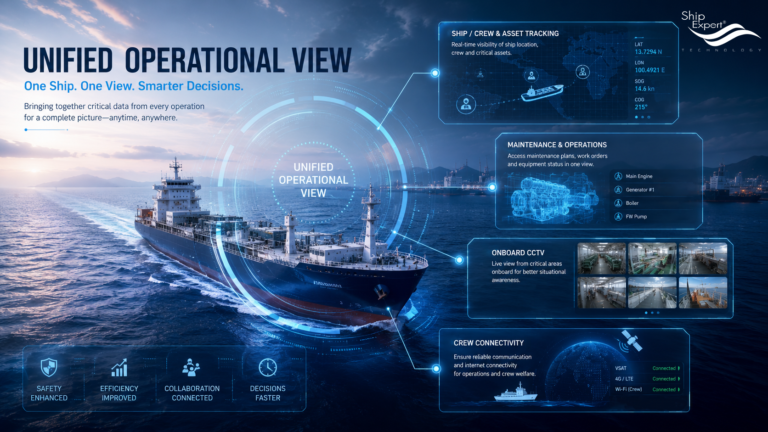
ทำไมธุรกิจเดินเรือจึงต้องการ Unified Operational View
การบริหารเรือในปัจจุบันเกี่ยวข้องกับข้อมูลมากมายมากกว่าในอดีต ตั้งแต่ตำแหน่งของเรือ สถานะลูกเรือและทรัพย์สินสำคัญบนเรือ แผนซ่อมบำรุง ภาพจากกล้อง CCTV ไปจนถึงการบริหารการเชื่อมต่ออินเทอร์เน็ตดาวเทียม ระบบเหล่านี้ช่วยให้ผู้ปฏิบัติงานรับรู้สิ่งที่เกิดขึ้นในแต่ละด้าน แต่เมื่อข้อมูลสำคัญกระจายอยู่ในหลายแพลตฟอร์ม หลายหน้าจอ และหลายทีม คำถามสำคัญจึงไม่ใช่เพียงว่า “เรามีข้อมูลเพียงพอหรือไม่” แต่คือ “เรามองเห็นภาพรวมของสถานการณ์ได้ชัดเจนเพียงใด เมื่อต้องตัดสินใจจริง” เรือหนึ่งลำ หลายระบบ หลายมุมมอง สำหรับบริษัทเดินเรือ เรือหนึ่งลำอาจมีระบบสนับสนุนการปฏิบัติงานหลายประเภท โดยแต่ละระบบมีบทบาทแตกต่างกัน ระบบติดตามตำแหน่งช่วยให้ทราบว่าเรืออยู่บริเวณใด ขณะที่ระบบติดตามลูกเรือและทรัพย์สินช่วยให้ผู้เกี่ยวข้องเข้าใจว่าบุคลากรหรืออุปกรณ์สำคัญอยู่ส่วนใดของเรือ ระบบซ่อมบำรุงและการปฏิบัติงานช่วยจัดการแผนงาน ประวัติการซ่อม และสถานะของเครื่องจักร ส่วนกล้อง…
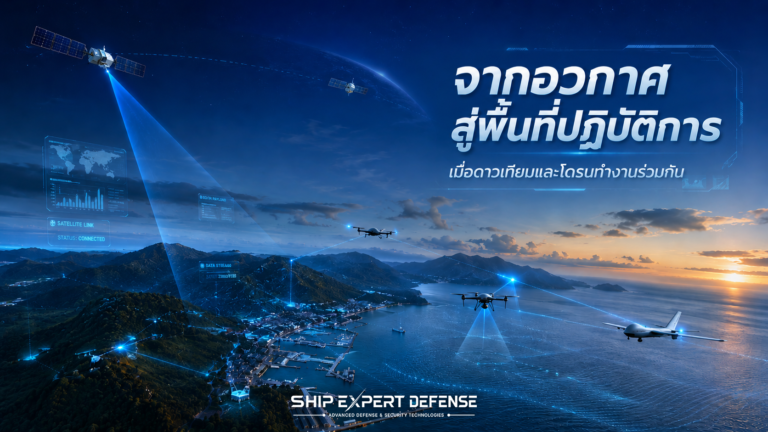
จากอวกาศสู่พื้นที่ปฏิบัติการ
เมื่อดาวเทียมและโดรนทำงานร่วมกัน เมื่อพูดถึงการตรวจการณ์พื้นที่ชายแดน ชายฝั่ง ทะเล โครงสร้างพื้นฐานสำคัญ หรือพื้นที่เกิดภัยพิบัติ เทคโนโลยีที่มักถูกกล่าวถึงคือ “โดรน” และ “ดาวเทียมสำรวจโลก” แม้ทั้งสองระบบจะสามารถบันทึกภาพและติดตามความเปลี่ยนแปลงได้เหมือนกัน แต่ในทางปฏิบัติกลับมีจุดเด่นและข้อจำกัดต่างกัน จึงไม่ควรมองว่าเทคโนโลยีใดดีกว่า หากควรพิจารณาว่าแต่ละระบบเหมาะกับขั้นตอนใดของภารกิจ ดาวเทียม: มองเห็นภาพกว้างจากอวกาศ จุดแข็งสำคัญของดาวเทียมคือความสามารถในการสำรวจพื้นที่ขนาดใหญ่ ไม่ว่าจะเป็นแนวชายแดน พื้นที่ทางทะเล เส้นทางคมนาคม หรือบริเวณที่เข้าถึงได้ยาก ข้อมูลภาพจากหลายช่วงเวลายังสามารถนำมาเปรียบเทียบเพื่อค้นหาการเปลี่ยนแปลง เช่น การปรากฏขึ้นของสิ่งปลูกสร้าง การเคลื่อนย้ายยานพาหนะ หรือกิจกรรมที่ผิดไปจากรูปแบบปกติ ดาวเทียมแบบ…